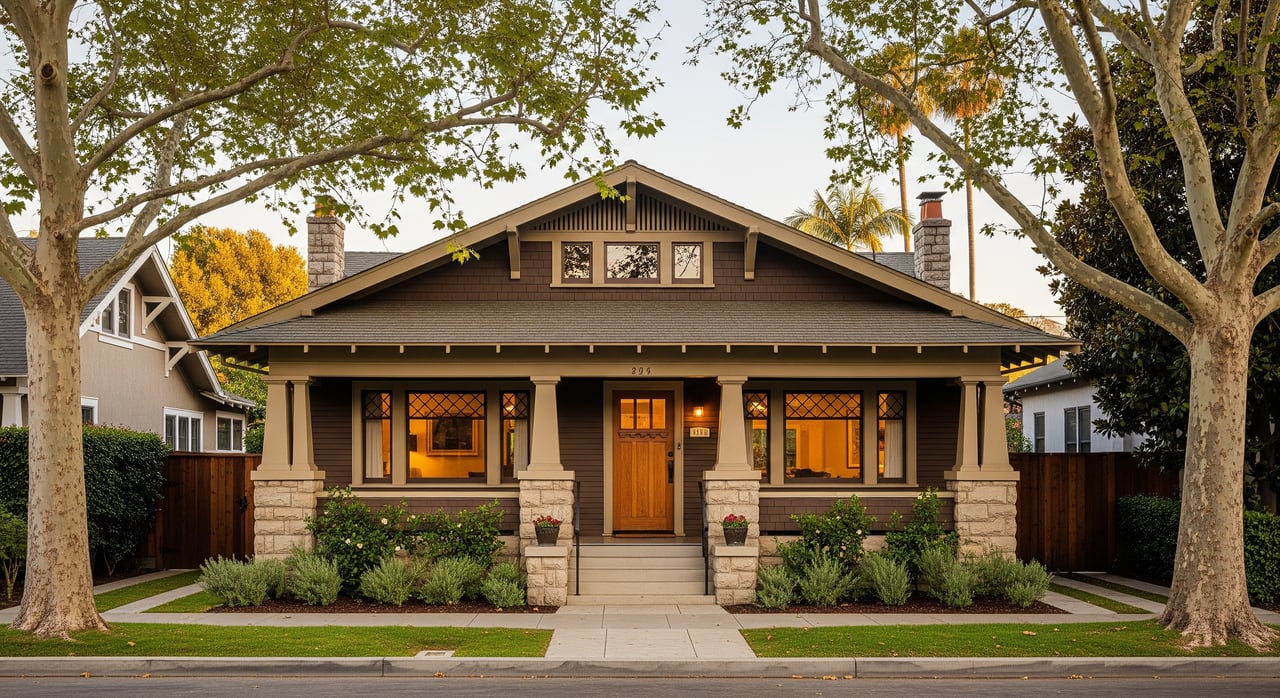
Buying a Craftsman in Highland Park or planning a front porch refresh? If your home sits in the Highland Park–Garvanza Historic Preservation Overlay Zone, the rules can feel confusing at first. You want to protect your home’s character and still move your project forward on time. In this guide, you’ll learn what an HPOZ is, how Highland Park’s rules work, what needs approval, and how to plan smart so you avoid delays. Let’s dive in.
HPOZ basics in Highland Park
An HPOZ is a local Los Angeles overlay that preserves the historic look of a neighborhood. It adds a review step for exterior changes that are visible from the street. The goal is to keep the area’s character while allowing thoughtful updates over time.
Highland Park–Garvanza follows a site-specific Preservation Plan managed by the City’s Office of Historic Resources. That Plan defines what makes the neighborhood historic, lists contributing and non-contributing properties, and sets the standards used to review your project. HPOZ review focuses on design and compatibility, while building permits still handle safety and code.
HPOZ rules apply to work visible from the public right-of-way. Interior work is generally not reviewed unless an interior is individually designated. Your home’s status as contributing or non-contributing affects how closely changes are reviewed.
What work needs approval
The Preservation Plan outlines three common paths. Some routine work is exempt, many straightforward items can be approved by staff, and larger changes go to the HPOZ Board at a public hearing. When in doubt, check your project with HPOZ staff before you start.
Demolition and additions
Demolition, even partial, is highly scrutinized and usually requires a formal Certificate of Appropriateness. Additions or new construction visible from the street are reviewed for massing, scale, materials, and how they fit the block.
Windows and doors
Full replacement of historic windows or changing door or window openings typically requires review. Repair or in-kind replacement is preferred. Creating new openings or changing sizes is a higher level review item.
Roofs and porches
Changes that alter roof form or visible roofing materials usually need approval. Routine like-for-like roof repairs may be simpler if materials and appearance match. Porch alterations that affect character-defining details also get close review.
Siding and exterior materials
Replacing original siding with different materials requires review. In-kind repair or replacement that matches the original is favored. Swapping wood for stucco or vinyl is likely to trigger a higher level of scrutiny.
Fences, walls, and hardscape
Front yard fences, gates, retaining walls, driveways, and visible paving changes are commonly reviewed for height, materials, and design. The goal is to keep the streetscape consistent.
Paint and color
Repainting previously painted surfaces is often allowed with minimal review. Treating historically unpainted masonry or using non-historic schemes on contributing homes may require approval. The Preservation Plan provides the final word.
Solar and mechanical equipment
Solar panels and mechanical units are supported when placed discreetly. Installations visible from the street are reviewed for visual impact, and set-backs or screened locations are encouraged.
Accessibility and safety
Accessibility and safety upgrades are encouraged when designed to preserve character-defining features. Staff often works with owners to find practical, compatible solutions.
Contributing vs. non-contributing homes
Contributing homes are those that add to Highland Park’s historic character. These properties face stricter expectations to preserve original features. Non-contributing homes may have more flexibility, but visible changes still need to be compatible with the surrounding streetscape.
How the review process works
Confirm status and start
First, verify that your property is inside the Highland Park–Garvanza HPOZ and check whether it is contributing or non-contributing. Review the Preservation Plan’s standards and illustrated treatments. A quick conversation with HPOZ staff can clarify what level of review you need.
Application steps
- Determine if your work is exempt, eligible for staff approval, or requires HPOZ Board review.
- Gather materials: photos, site plan, elevations, scope-of-work narrative, and material or color samples.
- Submit a Certificate of Appropriateness application to City Planning and coordinate with Building and Safety for permits.
- If staff-level approval is appropriate, staff can issue the certificate. If Board review is needed, your project is scheduled for a hearing.
- After approval, follow any conditions, then proceed with building permits as required.
Timelines to expect
Timing depends on scope and completeness. Simple clearances can take days to a few weeks. Staff-level reviews often take several weeks. Board hearings add scheduling time, and full approvals can take a few months for complex projects.
Fees and enforcement
Application and permit fees apply. Doing exterior work that needs HPOZ review without approval can lead to stop-work orders, fines, and required restoration of historic features. The City actively enforces compliance.
Pre-purchase due diligence
- Confirm HPOZ boundaries and whether the property is in Highland Park–Garvanza.
- Check the Preservation Plan entry to learn the home’s contributing status and character-defining features.
- Review prior permits and past Certificates of Appropriateness.
- Budget extra time and funds for review and any required restoration.
Project planning checklist
- Contact HPOZ staff early to confirm the correct review path and documents.
- Take clear photos of all street-visible elevations and key details like windows, doors, and trim.
- Prepare simple drawings or elevations that show existing and proposed conditions.
- Specify materials and colors up front and plan for in-kind repair when possible.
- If proposing solar or mechanicals, prepare options that minimize visibility from the street.
- For projects that approach demolition thresholds, be ready for additional review and potential alternatives.
Tips to avoid delays and extra costs
- Favor repair over replacement, especially for windows, doors, and siding.
- Submit complete, organized application materials to reduce back-and-forth.
- Consider a pre-application meeting to flag issues early.
- Coordinate HPOZ approvals and building permits, but do not start work until both are issued.
- Hire contractors with historic property and HPOZ experience.
If you discover unpermitted changes
Do not assume you can keep unpermitted alterations. Contact HPOZ staff and Building and Safety as soon as possible. Retroactive applications may be possible, but mitigation, restoration, or penalties can apply.
Incentives, flexibility, and resources
The Mills Act is a potential property tax incentive for owners who enter a preservation contract. It is separate from HPOZ designation and has its own eligibility and process. Owners should research local program rules and consult qualified advisors.
The Preservation Plan allows flexibility when strict preservation is impractical, such as accessibility improvements or certain energy upgrades. Emergency safety repairs can proceed quickly, but document the issue and notify staff when feasible.
Key resources include the Highland Park–Garvanza Preservation Plan, the Office of Historic Resources, City Planning for HPOZ applications, and Building and Safety for permits. Reviewing recent HPOZ Board agendas and decisions can also help you understand how similar projects have been handled.
Real-world examples to guide you
- Replacing a damaged original window: Propose repair or in-kind replacement to match materials, profile, and glazing pattern. This often fits staff review and can speed approval.
- Adding a rear bedroom: Keep the addition secondary in scale, set back from the primary facade, and use compatible materials. Expect Board review and allow extra time for scheduling.
- Installing solar panels: Place panels on a rear roof slope or behind a parapet to limit visibility from the street. Provide photos, a roof plan, and mounting details with your application.
Ready to plan your Highland Park project or want help assessing a home’s HPOZ status before you buy? Reach out to Drew Smyth for local guidance and hands-on coordination that keeps your plans on track.
FAQs
What is an HPOZ in Los Angeles?
- It is a local historic overlay that reviews exterior changes visible from the street to preserve a neighborhood’s architectural character.
Does Highland Park’s HPOZ regulate interiors?
- Interior work is generally not regulated unless an interior is individually designated as historic.
How long does HPOZ approval take in Highland Park?
- Simple items can be cleared in days or weeks, while staff reviews can take several weeks and Board reviews can extend timing to a few months.
Can you replace windows on a contributing Craftsman?
- You can apply, but repair or in-kind replacement is preferred and full replacements need careful review for compatibility.
What happens if you do work without HPOZ approval?
- You risk stop-work orders, fines, and possible requirements to remove alterations and restore historic features.
Are solar panels allowed in the Highland Park HPOZ?
- Yes, when placed discreetly to minimize street visibility, with details reviewed for visual impact and compatibility.
Does an HPOZ home automatically qualify for the Mills Act?
- No, the Mills Act is a separate program with its own eligibility, application, and contract requirements.
