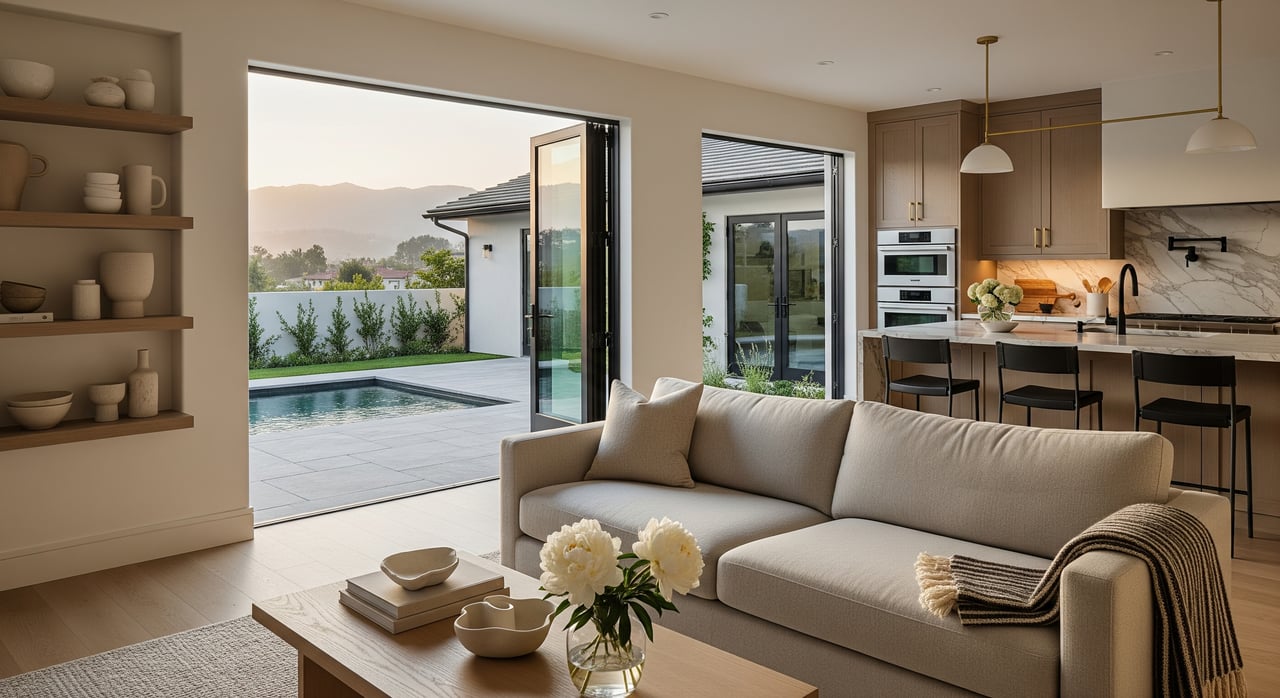
What if you could get your Glendale home market-ready in just 30 days without juggling contractors, staging, and showings yourself? If you are a move-up family balancing school schedules and a busy household, a clear plan matters. This guide gives you a simple, white-glove roadmap designed to maximize your sale price and minimize disruption. You will see exactly what happens each day, who does what, and how to launch with confidence. Let’s dive in.
How the 30-day plan works
You get a single point of contact who manages vendors, timelines, permits guidance, and marketing. The focus is on high-impact, low-disruption updates that deliver a polished, move-in ready presentation. The plan clusters the most disruptive work early and keeps the later weeks focused on photos, listing prep, and showings.
Expect a tight rhythm: a few days of intake and bids, one week for light repairs and declutter, one week for cleaning and staging, then a week for photography and listing prep. The final stretch covers launch, open houses, feedback, and offer strategy.
Day-by-day 30-day roadmap
Days 1–3: Intake and bids
- Day 1: On-site walkthrough with the listing agent and project manager. Identify the highest-value fixes, curb appeal upgrades, and safety items. Capture a quick phone photo tour for reference and create a room-by-room plan.
- Day 2: Collect three estimates for needed work such as handyman, painter, electrician, plumber, and roofer or HVAC as needed. Request quotes from staging companies, a professional photographer for HDR photos and 3D tour, and cleaning and landscaping crews.
- Day 3: Approve scopes, sign vendor agreements, and lock in dates. Order materials like paint and light fixtures. Schedule a general home inspection and a termite or WDI inspection so you can act on findings early.
Days 4–10: Repairs, declutter, permits
- Day 4: Start small cosmetic repairs such as patching, hardware updates, grout touchups, and door locks. Begin a curb refresh with trimming, mulch, and power washing.
- Days 5–7: Declutter in focused sprints. Sort items into keep, donate, and pack. Use labeled bins and consider a POD or off-site storage. Schedule a donation pickup so boxes move out quickly.
- Day 8: If any work may require permits in Glendale, confirm with your contractor that they are submitting applications to the city’s Planning and Building Division. Clarify who schedules city inspections.
- Days 9–10: Complete paint touchups and interior neutralizing. Finalize the staging layout plan for each room.
Days 11–16: Clean, stage, systems
- Day 11: Book a professional deep clean once the repair dust settles. This sets the stage for crisp photos.
- Day 12: Change HVAC filters and check the water heater. Confirm functioning smoke and carbon monoxide alarms and replace batteries. Gather manuals, warranties, and any past permits.
- Days 13–14: Install professional staging or finalize virtual staging plans. Coordinate where staging items are stored and confirm access times.
- Day 15: Conduct a final contractor walkthrough and close out the punch list. Confirm warranty information in writing.
- Day 16: Make pre-photography tweaks. Hide cords, remove the last personal items, and set consistent lighting.
Days 17–21: Photos and listing prep
- Day 17: Complete professional photography and capture a floor plan. Aim for golden hour exterior shots if possible.
- Day 18: Add drone imagery only if it enhances the property and follows applicable rules. Confirm privacy considerations.
- Day 19: Record a walkthrough video and a Matterport 3D tour. Draft neutral neighborhood highlights such as commuting options and access to parks and services.
- Day 20: Draft the MLS listing copy, feature sheet, and social ad copy. Prepare your disclosure package including the Transfer Disclosure Statement, Natural Hazard Disclosure, and lead-based paint disclosure if your home was built before 1978.
- Day 21: Schedule a broker preview to give local agents an early look and gather pricing feedback.
Days 22–27: Launch and marketing
- Day 22: Go live on the MLS and syndicate to major portals. Send an email announcement to buyer agents and local broker networks.
- Days 23–24: Host a broker preview and private showings. Run geo-targeted digital ads to reach likely local buyers.
- Day 25: Hold the first public open house if desired. Offer private tours for qualified buyers who cannot attend.
- Days 26–27: Collect feedback and make immediate adjustments. Tweak copy, add staging accents, or address minor fixes to keep momentum.
Days 28–30: Offers and transition
- Day 28: Review offers and align escrow timing with your purchase plan. Consider a rent-back or tailored possession date to reduce moving stress.
- Day 29: Negotiate contingencies and inspection timelines. Coordinate buyer inspections and access with minimal disruption.
- Day 30: Accept the offer or prepare counters. Finalize your move plan, confirm vendor offboarding, and set your closing calendar.
Vendor roles and coordination
- Listing agent and project manager: Oversees the entire plan, vendor selection, staging coordination, pricing strategy, and MLS listing.
- Handyman and contractor: Handles small scopes like patching, hardware, and minor plumbing or electrical.
- Licensed trades: Electrician, plumber, roofer, and HVAC as needed for code or permit work.
- Staging company: Provides in-home staging or virtual staging plus install and removal logistics.
- Photographer and videographer: Produces HDR photos, floor plans, 3D tours, video, drone content, and twilight images.
- Cleaning crew: Deep clean post-repairs and light upkeep between showings.
- Landscaper: Improves curb appeal with simple, high-visibility refreshes.
- Termite inspector: Delivers a WDI report to address issues early.
- Movers and storage: POD or moving company for off-site storage and a smooth move.
- Escrow and title: Sets up escrow, manages closing documents, and coordinates recording.
Coordination tips
- Use one point of contact to avoid managing multiple vendors yourself.
- Book staging and photography early since weekend slots fill quickly in the LA market.
- Get written scopes with start and end dates, warranty terms, and permit responsibilities.
- Schedule louder work during school hours to keep family disruption low.
Permits, disclosures, and readiness
California requires certain disclosures such as the Transfer Disclosure Statement and the Natural Hazard Disclosure. If your home was built before 1978, federal and California lead-based paint disclosures apply. If you live in an association, review CC&Rs and plan for the association’s disclosure packet.
Glendale’s Planning and Building Division oversees permits and inspections. Cosmetic work like painting usually does not need a permit, but structural, electrical, plumbing, and HVAC changes often do. Have licensed contractors pull permits and confirm inspections.
For safety, ensure smoke detectors and carbon monoxide alarms are installed and working. Address obvious hazards like loose railings or broken steps before buyers tour. Keep copies of permits and warranties ready for escrow.
Staging and photography that work
Focus on high-impact areas first. Curb appeal sets the tone, so prioritize clean landscaping, pressure-washed walkways, and a refreshed front door. In the kitchen and the main bath, keep counters clear and consider simple hardware or lighting updates for a neutral, welcoming look.
Show flexible spaces that can serve as a home office or playroom. Highlight storage by clearing closets so buyers can see utility and volume. Professional HDR photography, twilight exteriors, a floor plan, and a 3D tour help buyers visualize flow and reduce unnecessary showings.
Family-friendly timing and flow
To keep the process manageable, cluster noisy work during school hours. Use a staging install window when the home is relatively empty. After photos, aim to keep daily upkeep light with quick wipe-downs and brief yard touchups before showings.
Consider your purchase timing early. If you need more flexibility, explore a rent-back or a longer escrow when you negotiate.
Your seller checklists
Declutter quick-start checklist
- Three-bin sort: keep, donate, pack.
- Remove seasonal items to off-site storage or a POD.
- Clear counters and open shelving to two accent items per surface.
- Box personal photos and memorabilia to keep rooms neutral.
Documents to gather
Manuals and warranties for systems and appliances.
Any past permits and inspection reports.
Recent utility bills and service provider details for buyer reference.
HOA documents if applicable, including CC&Rs and rules.
Vendor agreement checklist
- Written scope with start and end dates.
- Warranty terms and contact info.
- Permit responsibility and inspection scheduling.
- Access instructions and insurance documentation.
Listing launch prep checklist
- Final clean and fragrance-neutral home.
- All lights on matching bulbs and temperatures.
- Hide cords, pet items, portable fans, and extra small appliances.
- Yard and front entry swept and staged.
What to expect in escrow
Escrow in California is handled by an escrow company that coordinates documents and closing. Typical timelines can vary by contract. You will schedule buyer inspections, respond to requests, and sign transfer documents. Your agent will help you align possession timing with your purchase and consider rent-back options if needed.
When you need more time
This plan is adjustable. If your schedule is tight, you can delay staging until just before photos and listing. You can also negotiate timing tools like a rent-back or a longer escrow so your move aligns with your next home.
Next steps
If you want a managed, 30-day path that handles the details for you, schedule an in-home intake. We will assess your home, recommend a tailored scope, and create a calendar you can trust. Ready to talk through your plan with a local expert? Connect with Drew Smyth to get started.
FAQs
How disruptive is a 30-day sale plan in Glendale?
- The plan concentrates noise and trades into early windows, then shifts to staging, photos, and showings so your day-to-day routine stays manageable.
Do I need permits for light updates before listing?
- Cosmetic work often does not require permits, but structural, electrical, plumbing, or HVAC changes usually do; licensed contractors can advise and pull permits in Glendale.
What disclosures are required for California home sellers?
- You should prepare the Transfer Disclosure Statement, Natural Hazard Disclosure, and lead-based paint disclosure if the home was built before 1978.
Will professional staging help my Glendale sale?
- Staging often improves online presentation and can shorten time on market, though results vary by property and location; ask your agent for recent local examples.
Who pays for inspections and repairs before listing?
- Sellers generally cover pre-listing items they order, such as a termite or general inspection and any repairs they choose to complete; buyers typically order their own inspections during escrow.
Can I align my sale with buying my next home?
- Yes, you can negotiate possession timing, consider a rent-back after closing, or structure a longer escrow to match your purchase timeline.
