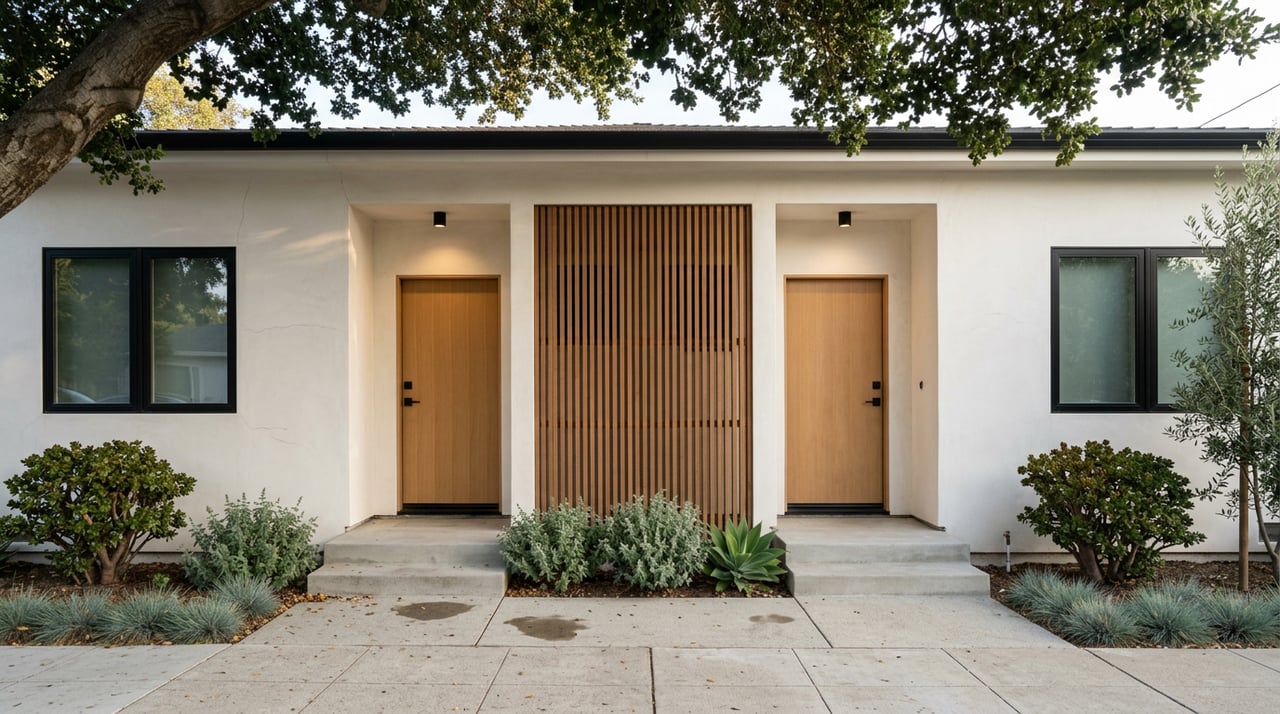
Eyeing a duplex or small multifamily in Mount Washington and wondering if the numbers will pencil? You are not alone. Investors are drawn to this Northeast LA hillside pocket for its views, transit access and steady demand from renters who want a quieter vibe near Highland Park and Downtown. In this guide, you’ll get a practical framework to evaluate deals in Mount Washington, from rent control to retrofit rules, plus a field-tested underwriting checklist so you can move with confidence. Let’s dive in.
Why Mount Washington appeals to investors
Mount Washington sits on the hills above the Arroyo Seco in Northeast Los Angeles, with most addresses in 90065 and a small slice in 90042. It borders Highland Park and Cypress Park, and is known for steep streets, architectural variety and basin or downtown views. That character has kept demand resilient across cycles and supports stable rentability for well-located units. If you want a neighborhood profile with history and location context, review the concise overview of Mount Washington.
Rent drivers: views, parks, transit
Units with hillside or downtown views often command a premium. Proximity to green space is another plus, with Ernest E. Debs Regional Park and the Audubon Center at Debs Park offering trails and community programs. On the commute side, parts of Mount Washington sit within a walk or quick bike ride of Metro’s L Line stations around Southwest Museum and Highland Park, which helps attract renters who split time between Downtown Los Angeles and Pasadena.
What to buy here
Most inventory is low-rise and small scale. You’ll see singles and 2 to 4 unit buildings scattered along the slopes, with a few small walk-ups nearby in Northeast LA. Common investor targets include:
- Duplexes and triplexes that rent well with good layouts and parking.
- Small multifamily buildings in the 5 to 12 unit range in adjacent NELA corridors, which require careful review for retrofit exposure and commercial loan terms.
- Single-family homes with an existing or potential ADU, which can boost gross rent when permitted correctly.
Prices and rents at a glance
Neighborhood-level sale data points to a median sale price around 1.25 million dollars for all home types as of January 2026 according to Redfin, with Zillow showing average values around the low 1.1 million range depending on methodology. Treat these as context for cap rate expectations and screening. Rents vary widely by unit size, condition and views. For quick rent comps, use current listings by ZIP and submarket, then refine by block and unit features.
Rules that shape your returns
Before you run numbers, confirm which rent rules apply to each unit. In Los Angeles, build year, property type and ownership structure can change your rent and eviction math, and they can affect how you plan turnover and improvements.
Rent control basics in LA City
The Los Angeles Rent Stabilization Ordinance (RSO) generally covers rental units in buildings constructed on or before October 1, 1978. RSO adds limits on rent increases, sets just cause standards and requires registration. Check a property’s coverage and what that means for your leases using the city’s guidance on RSO applicability. If a duplex is RSO-covered, underwriting should reflect those caps and rules.
Statewide protections under AB 1482
California’s Tenant Protection Act of 2019 (AB 1482) applies to many units not covered by RSO. It limits annual rent increases to 5 percent plus regional CPI up to 10 percent in any 12-month period and adds statewide just cause protections for covered units. Review the bill text and official guidance when sizing rent steps, and note exemptions for some newer construction, certain single-family ownership structures and owner-occupied duplexes.
LA’s Just Cause Ordinance overlay
Los Angeles also adopted a Just Cause Ordinance that fills gaps for units not regulated by RSO, so many properties are subject to some form of just cause and notice requirements. For a plain-language summary of tenant protections in the city, explore the council’s housing and tenants guide. Always verify which law applies to each unit before drafting or inheriting leases.
ADUs, SB 9 and unit count changes
ADUs are easier to permit statewide than a few years ago, which makes single-family plus ADU plays compelling. The California Department of Housing and Community Development maintains an up-to-date ADU handbook and overview. In Los Angeles, adding or legalizing an ADU can interact with rent stabilization rules in nuanced ways, so confirm treatment with LAHD and LADBS on a per-parcel basis. SB 9 offers two-unit and lot-split potential on some single-family parcels, but you should never assume automatic density rights without a zoning and permit review.
Mandatory soft-story retrofit and safety items
Los Angeles requires retrofits for certain wood-frame buildings with soft or weak first stories. The mandate often applies to larger multifamily walk-ups, while many small 2 to 3 unit properties are not covered. Check the LADBS program scope and compliance timelines in the city’s soft-story retrofit bulletin. Retrofits can be costly and may involve temporary relocation planning, so confirm a building’s status before you lock in a price.
Underwriting framework that works in NELA
Solid underwriting begins with realistic income and conservative expenses. Use address-level comps for rents and confirm regulatory coverage by unit. Then build your pro forma with prudent assumptions for vacancy, taxes, insurance and reserves.
Key pro forma inputs
- Gross potential rent: Pull current comps by unit type and condition. Adjust for views, parking and proximity to transit or commercial corridors.
- Vacancy and collection loss: Los Angeles multifamily trackers often place stabilized vacancy in the mid single digits. A conservative starting range is about 4 to 6 percent according to regional multifamily context in the latest Institutional Property Advisors report. Smaller properties may plan a touch higher.
- Operating expenses: For small assets, many investors budget 30 to 50 percent of effective gross income depending on utilities, age and recent capital work. Verify with seller P&Ls and utility histories.
- Property management: Full-service residential management in LA commonly runs about 6 to 12 percent of collected rents based on scope and unit count. Get quotes early if you will not self-manage.
- Reserves and capex: Set aside 300 to 800 dollars per unit per month as a placeholder for a small value-add asset, then tighten after inspections and contractor bids.
- Property taxes: California’s base property tax is 1 percent under Prop 13, with total effective rates in LA County often near 1.1 to 1.5 percent of market value depending on the tax rate area. Review details in the county’s secured tax FAQ.
Core valuation metrics
- Net Operating Income (NOI) = Effective Gross Income minus Operating Expenses.
- Cap Rate = NOI divided by Purchase Price.
- Cash-on-Cash Return = Pre-tax Cash Flow divided by Investor Cash Invested.
- Gross Rent Multiplier (GRM) = Purchase Price divided by Annual Gross Rent.
Cap rates for desirable LA submarkets, including Mount Washington and nearby NELA, often price tighter than secondary markets. Use hyperlocal comps and recent trades to calibrate your expectations.
Due diligence checklist for Mount Washington
Use this list to organize your acquisition process. Verify each item by address.
- Confirm RSO, JCO and AB 1482 coverage. Check build year and cross-check the city’s RSO coverage guidance plus the AB 1482 statute. For RSO units, pull registration history and rent records if available.
- Zoning and permits. Run zoning, certificate of occupancy and permit history with city tools. Confirm whether any ADUs or garage conversions are permitted, and review the state ADU rules that may support your plan.
- Soft-story and safety programs. Check LADBS notices and the soft-story retrofit guidelines for multi-unit buildings.
- Title and site constraints. Identify easements and party-wall issues common on narrow hillside lots, plus parking rights.
- Physical inspections. Order general, roof, pest and sewer scope inspections, plus electrical and mechanical evaluations. Hillside homes may warrant structural reviews.
- Lease audit. Verify deposits, rent amounts versus legal allowable rents for any covered units, and any notices or claims tied to local tenant protections.
- Insurance and risk. Obtain landlord and earthquake quotes. Costs can vary by wildfire and seismic risk profile.
- Financing plan. Confirm lender appetite for your unit count and plan. Terms differ for 1 to 4 unit residential loans versus 5 plus unit commercial loans.
Neighborhood strategies that add value
- Duplex with light renovation. Focus on floor plan improvements, in-unit laundry and parking. If RSO applies, plan upgrades around allowable rent increases and turnover timelines.
- Single-family plus ADU. Where zoning supports it and site conditions allow, an ADU can unlock a second income stream. Cross-check the state ADU guidance and confirm local treatment for rent stabilization.
- Small walk-up in adjacent NELA. If you step up to 5 to 12 units, run a full LADBS soft-story check and model a retrofit. Underwrite with commercial loan terms and realistic capital reserves.
Why a neighborhood-first team matters
Mount Washington rewards local nuance. On a steep, view-driven hillside with mixed housing stock, the right address and permitting path can make a major difference in returns. A neighborhood-focused team helps you navigate LAHD and LADBS processes, line up inspectors and contractors who understand hillside work, and underwrite with real comps rather than broad averages. That is how you de-risk your buy and move faster when the right property hits the market.
Ready to evaluate a specific address or build a short list of targets? Connect with Drew Smyth for neighborhood-first investor guidance, tailored comps and a hands-on plan to coordinate inspections, vendor bids and closing logistics.
FAQs
What is the Los Angeles RSO and does it affect Mount Washington?
- The Los Angeles Rent Stabilization Ordinance covers many rental units built on or before October 1, 1978, and it applies within city neighborhoods like Mount Washington; check the city’s RSO coverage page by address.
How does AB 1482 limit rent increases on non-RSO units?
- AB 1482 caps annual rent increases at 5 percent plus regional CPI up to 10 percent for many covered units and adds just cause protections; review details in the bill text and confirm exemptions.
Can I add an ADU to a Mount Washington property and rent it?
- Many single-family lots can support ADUs under state law, but you must confirm zoning, permits and how an ADU interacts with rent rules; start with the state’s ADU overview and verify local treatment with LAHD and LADBS.
Do soft-story retrofit rules apply to small buildings?
- The program targets certain wood-frame buildings with weak first stories, often larger walk-ups; many 2 to 3 unit properties are not covered, but you should confirm status using LADBS soft-story guidance.
What vacancy rate should I use in my pro forma?
- A conservative range of about 4 to 6 percent aligns with Los Angeles multifamily context in recent Institutional Property Advisors reports, though smaller buildings may plan slightly higher.
How should I estimate property taxes in LA County?
- Start near 1.1 to 1.5 percent of market value, which includes the 1 percent base under Prop 13 plus local assessments; the county explains details in its secured property tax FAQ.
