Buying your first home in Mount Washington can feel exciting and a little intimidating at the same time. You may love the hills, the views, and the character, but you also want to know what those features mean in real life before you make a big decision. This guide will help you understand how Mount Washington homes differ from flatter parts of Los Angeles, what to watch during your search, and how to make a smarter first purchase. Let’s dive in.
Why Mount Washington Feels Different
Mount Washington is shaped by steep hillsides, narrow ridges, deep gullies, and limited major thoroughfares. That geography is a big part of the neighborhood’s appeal, but it also affects how homes sit on their lots, how you access them, and what future changes may be possible.
For a first-time buyer, this means you should look beyond the photos. A home’s privacy, views, and architectural charm may come with stairs, tighter lots, sloped driveways, or trickier parking. In Mount Washington, those tradeoffs are often part of the setting, not automatic warning signs.
What Kinds of Homes You’ll See
Mount Washington is not one single housing style. City planning materials show early development tied to hillside subdivision and streetcar-era growth, which helps explain why you may see older bungalows and Craftsman homes alongside later single-family hillside tracts.
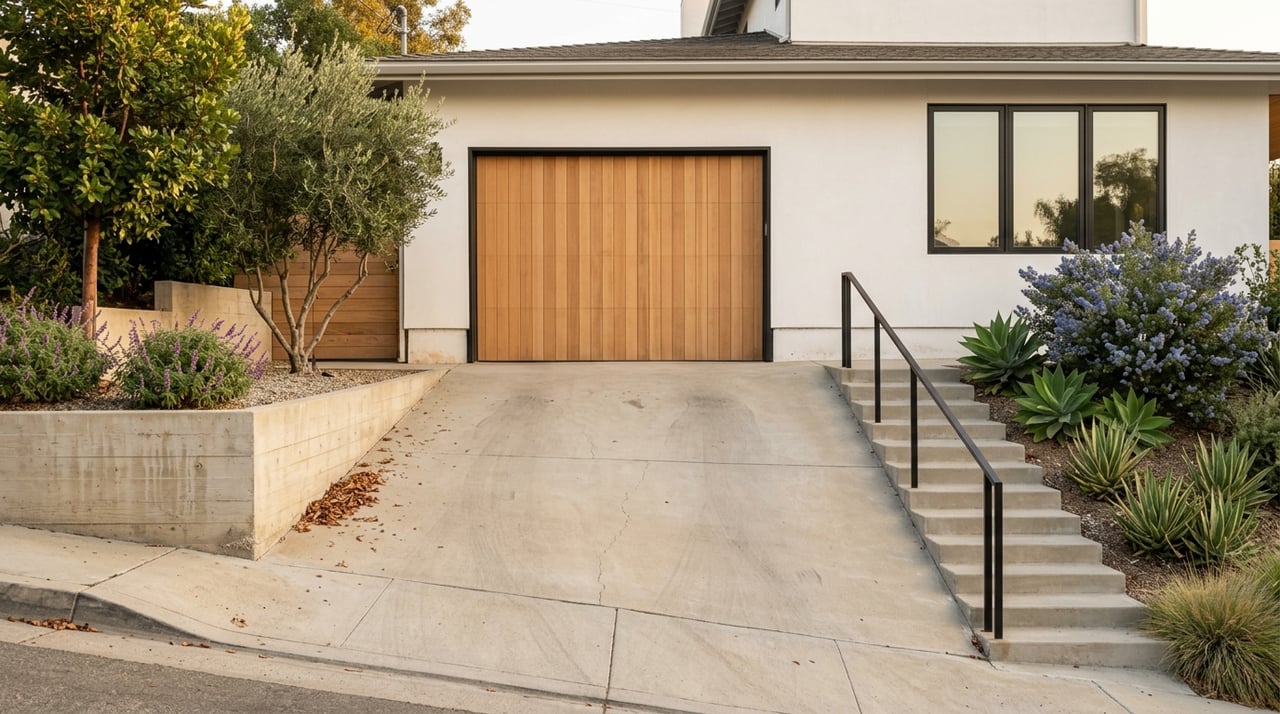
In some parts of the neighborhood, especially areas documented as later residential development, you may find curving streets, cul-de-sacs, attached garages, shallow front setbacks, terraced yards, and retaining walls. Many of those homes reflect postwar ranch-style patterns from the 1960s. That mix gives buyers more options, but it also means two homes a few blocks apart can live very differently.
How to Read a Listing Carefully
When you tour Mount Washington homes, try to separate style from function. A beautiful hillside home may photograph well while hiding practical challenges that matter once you move in.
Pay close attention to:
- Stair access from street to front door
- Driveway steepness and garage approach
- Lot shape and usable outdoor space
- Retaining walls and terraced yard areas
- Whether the layout feels easy for daily living
A smaller or more unusual lot is not necessarily a problem. In Mount Washington, it is often a normal response to the terrain.
Access and Parking Matter More Here
One of the biggest first-time buyer lessons in Mount Washington is that access can matter just as much as square footage. Because the neighborhood has steep streets and few major thoroughfares, the experience of getting in and out of a property can vary a lot from block to block.
Los Angeles hillside standards also require certain access and roadway conditions for some one-family lots before building or grading permits can be issued. The city says that, unless an approved exception applies, there must be a minimum 20-foot continuous paved roadway from the driveway apron to the hillside boundary. That is one reason in-person due diligence is so important.
What to Test in Person
Before you get serious about a home, visit more than once. A showing at noon on a quiet weekday may not tell you how the block feels at night, on weekends, or during a busy workday.
Try to evaluate:
- Street width and turning room
- Ease of pulling into the driveway or garage
- Whether backing out feels safe and practical
- Curb parking availability at different times
- Delivery, moving, and guest access
These are quality-of-life details, but they can also affect resale appeal later.
Check Future Renovation Limits Early
If you are buying your first home, you may already be thinking ahead. Maybe you want to add a deck, expand the house, rebuild part of it later, or improve the yard over time. In Mount Washington, you should not assume that future plans will be simple just because a lot looks large enough in photos.
The Mt. Washington/Glassell Park Specific Plan can be more restrictive than base zoning in areas like front yards, height, floor area ratio, landscaping, and other development details. Permit history and specific-plan applicability can shape what is realistic on a particular property.
Smart Questions Before You Offer
Ask for clear answers about past work and future limitations. This can save you from buying a home based on plans that may be harder to execute than expected.
Ask questions like:
- Were permits pulled for additions, decks, retaining walls, or grading?
- Has any slope work or major site work been done?
- Are there records for older improvements?
- If you want to expand later, what rules may apply under the specific plan or hillside standards?
For first-time buyers, this step helps turn a dream home into a practical decision.
Inspections Should Be Hilled-Specific
A general inspection is important, but hillside properties often need closer attention to site conditions. According to the Los Angeles Department of Building and Safety, grading permit review can involve tract grading, mass grading, slope repairs, landslides, substantial cut-and-fill work, and retaining walls.
That is why it helps to focus on issues tied to slope, drainage, and structural stability. You want to understand not only the house itself, but also how the lot behaves.
Red Flags to Prioritize
When reviewing disclosures and inspections, pay special attention to:
- Cracks, leaning, or movement in retaining walls
- Drainage that runs toward the home
- Signs of settlement or foundation movement
- Evidence of landslide repair or major cut-and-fill work
- Any visible signs of unpermitted earthwork
These issues do not always mean you should walk away. They do mean you need a clear understanding of condition, cost, and risk before moving forward.
Wildfire and Insurance Need Early Attention
Some Mount Washington parcels may fall within a Very High Fire Hazard Severity Zone. If a property is in that zone, Los Angeles Fire Department brush-clearance rules apply year-round, and the department says AB-38 disclosures are required for buyers of residential property in the zone.
The key point is to verify the exact parcel. You should not assume every address in Mount Washington is treated the same way.
What to Review Before Removing Contingencies
LAFD provides fire-zone mapping, brush-clearance tools, and AB-38 inspection contact information. As you evaluate a home, it helps to confirm the property’s status and think through how fire-related upkeep may affect ownership.
Also look closely at:
- Roof and gutter condition
- Ember-resistant vents and screened openings
- Chimney condition
- Vegetation near the structure or driveway
- Defensible space around the home
Insurance is another reason to start early. The California Department of Insurance notes that homeowners who are turned down or non-renewed may apply for FAIR Plan coverage through a licensed agent or broker, so it is wise to gather quotes as early as possible in the offer process.
Budget Beyond the Mortgage
First-time buyers often focus on principal, interest, taxes, and insurance, but hillside ownership can come with extra costs that deserve a place in your monthly plan. A home that fits your payment on paper can still feel more expensive once real ownership costs show up.
Los Angeles County says the property-tax system includes the general 1% levy plus debt-service and direct assessments. New owners may also receive supplemental tax bills after purchase, often about 3 months to 1 year later. If the home will be your primary residence, the Homeowners’ Exemption can reduce assessed value by $7,000.
Costs to Keep on Your Radar
As you build your budget, account for:
- Supplemental property tax bills after closing
- Ongoing landscape or brush-clearance maintenance
- Insurance costs that may be higher than expected
- Inspection follow-up items tied to drainage, retaining walls, or roofing
- HOA dues, reserves, or assessments if the home is in a condo or common-interest development
If you are considering a condo, the California Department of Real Estate says buyers should review governing documents, CC&Rs, budgets, reserves, dues, and assessments. HOA membership is automatic, so those costs should be part of your decision from the start.
A Strong Offer Starts With Preparation
Mount Washington can be a great first-home choice if you love character and feel comfortable with hills, stairs, and more site-specific due diligence. The buyers who do best here are usually the ones who prepare early and verify details before they get emotionally attached.
A practical starting point is to get fully pre-approved, compare sales within the same hillside pocket, and budget for inspection and insurance surprises. If you are using homebuyer assistance, CalHFA offers a variety of California homebuyer loan programs, which can be worth exploring as you plan your financing.
Buying your first home here is rarely about finding a perfect property. It is about finding the right fit between lifestyle, budget, and the realities of hillside ownership.
If you want guidance that is both local and practical, Drew Smyth can help you evaluate Mount Washington homes with a clear eye and a neighborhood-first approach.
FAQs
What should first-time buyers know about Mount Washington lots?
- Mount Washington lots are often shaped by steep hillsides, which can mean stairs, terraced yards, tighter outdoor space, and tradeoffs between views, privacy, parking, and easy access.
What makes access important when buying a Mount Washington home?
- Because streets can be narrow and steep, you should test driveway usability, garage access, turning room, and curb parking in person and at different times of day.
What permits should buyers ask about for Mount Washington properties?
- You should ask whether the seller pulled permits for additions, decks, retaining walls, grading, and other site work, especially if you may want to renovate later.
What inspection issues matter most for Mount Washington hillside homes?
- Prioritize drainage, retaining walls, settlement, slope-repair history, cut-and-fill work, foundation movement, and signs of unpermitted earthwork.
How do wildfire rules affect Mount Washington homebuyers?
- Some parcels may be in a Very High Fire Hazard Severity Zone, which can trigger brush-clearance requirements and AB-38 disclosures, so you should confirm the exact parcel status early.
What extra costs should first-time buyers budget for in Mount Washington?
- In addition to your mortgage, budget for supplemental property taxes, insurance, hillside maintenance, inspection-related repairs, and any HOA dues or assessments if the property is in a common-interest development.
