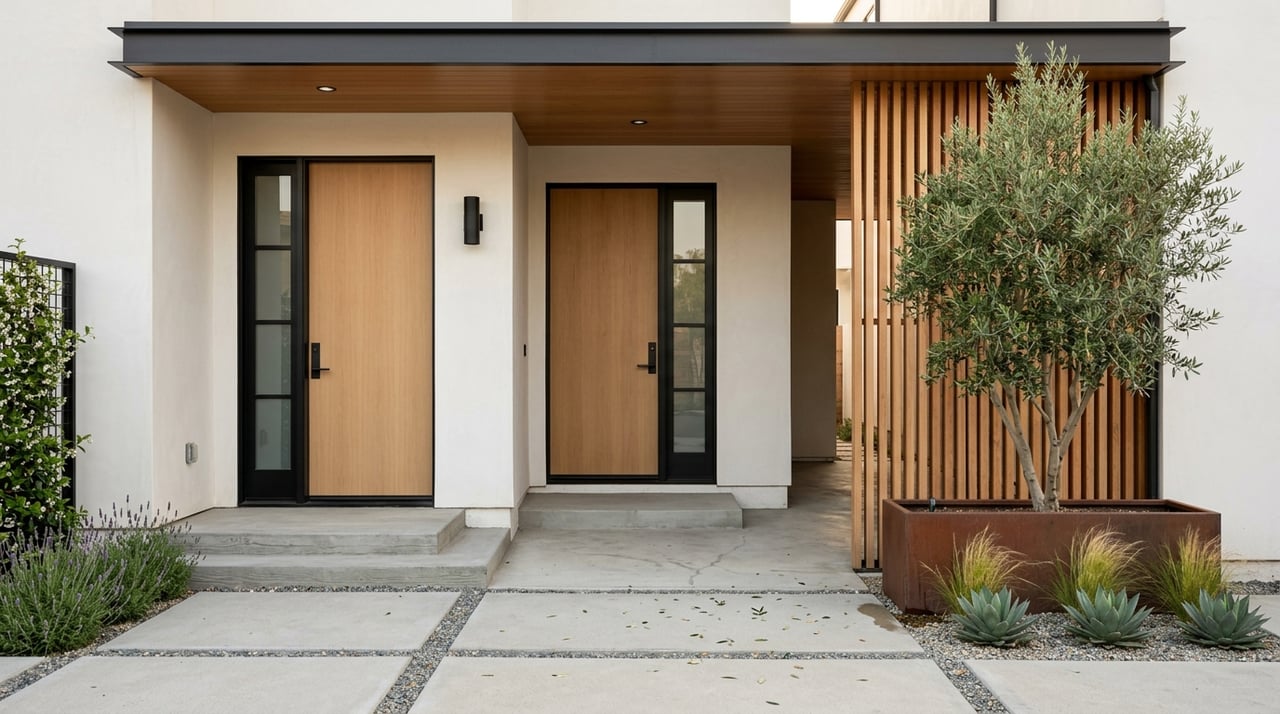
If you are comparing a condo and a townhome in Pasadena, the biggest surprise is this: the way a home looks does not always tell you how you own it or what you are responsible for. That can affect your monthly costs, your maintenance duties, and even your financing options. If you want to buy with confidence, it helps to understand what these labels really mean in Pasadena and what to review before you write an offer. Let’s dive in.
Condo vs. townhome basics
In California, a condominium is a legal form of ownership, not a building style. Under California law, a condo includes a separate unit interest plus an undivided common interest in shared areas.
A townhome, by contrast, is usually an architectural style. A townhome-style property can be legally structured as a condo or as a planned development, which means two homes that look similar from the outside can come with very different ownership and maintenance rules.
That distinction matters. According to the California Department of Real Estate subdivision guide, some detached or townhome-style homes are actually site condominiums, where the unit may include the whole home and site. In those cases, you may carry more direct insurance and maintenance responsibility than you would expect from the exterior appearance alone.
Why ownership structure matters
When you buy in a common-interest development, the recorded ownership documents help define what you own, what the HOA manages, and what costs may fall to you. In a planned development, the separate interest is often a lot, parcel, area, or space, and the common area may be owned by the association or by the owners together under California Civil Code.
In practical terms, that means a Pasadena buyer should not assume a condo always means less responsibility or that a townhome always means more independence. The real answer is in the title documents, CC&Rs, and HOA disclosures.
HOA rules and monthly costs
If you buy a condo or many townhome-style properties in California, HOA membership is automatic. The California Department of Real Estate notes that the association’s CC&Rs and bylaws can govern issues such as parking, balconies, landscaping, and exterior changes.
HOA dues are also typically paid separately from your mortgage payment. As the Consumer Financial Protection Bureau explains, regular assessments usually cover day-to-day operations and reserves, while special assessments may be charged for major repairs, replacements, or unexpected expenses.
That is why affordability is about more than your loan payment. A home with a lower purchase price but high dues or possible assessments may feel very different from a monthly budgeting standpoint.
What to review before you buy
Before you commit to a Pasadena condo or townhome, ask for and review:
- CC&Rs
- HOA bylaws
- Current budget
- Reserve summary or reserve study
- Delinquency information
- Any known litigation
- Any planned or discussed special assessments
The California Attorney General’s HOA consumer guidance and the California DRE alert on underfunded HOAs both support taking a close look at reserves and financial health before buying.
Maintenance tradeoffs to expect
For many buyers, the condo versus townhome question is really a lifestyle question. How much exterior maintenance do you want to handle yourself, and how much HOA oversight are you comfortable with?
In many condo setups, more of the shared property is managed by the association, which can make ownership feel more hands-off. Townhome-style properties can vary a lot more. Some feel close to condo living, while others place more maintenance and insurance responsibility on the owner depending on the ownership form and governing documents, as described in the California DRE subdivision guide.
If you want simpler upkeep, a condo may appeal to you. If you want a home that feels more like a traditional residence while still having shared amenities or common areas, a townhome-style property may be worth a closer look. The key is verifying the actual maintenance split before moving forward.
Pasadena lifestyle considerations
Pasadena offers a mix of housing types, and attached housing is an important part of that mix. The city’s General Plan directs higher-density development into areas such as the Central District, Transit Villages, Neighborhood Villages, and major corridors.
For you as a buyer, that can mean condos and townhomes may be strong options if you want access to more connected, transit-oriented parts of Pasadena without taking on the full upkeep of a standalone property. That can be especially appealing for first-time buyers, downsizers, and buyers who want convenience and lower day-to-day exterior responsibilities.
Of course, your best fit depends on your routine. If you value lock-and-leave ease, shared maintenance may be a plus. If you want more separation, a multi-level townhome-style home may better match your day-to-day living preferences.
Financing questions to ask early
Financing can differ more than buyers expect, especially with condos. The U.S. Department of Housing and Urban Development notes that FHA condo financing depends on project approval and other requirements related to insurance, financial condition, title, legal matters, property condition, and occupancy factors.
That means you should ask early whether the project is FHA-approved or may qualify for single-unit approval if you plan to use FHA financing. Waiting until later in escrow can create unnecessary stress.
You should also ask your lender how HOA dues and any known assessments will factor into your qualification. Since dues are paid separately from the mortgage, your lender needs the full picture of your monthly obligations.
A smart buyer checklist for financing
When you are comparing condo and townhome options in Pasadena, ask these questions up front:
- Is the property legally a condo or part of a planned development?
- Is the HOA financially stable?
- Are there pending special assessments?
- Is the project FHA-approved, if needed?
- How will HOA dues affect loan qualification?
- Are there any known legal or insurance issues tied to the HOA?
These questions can help you avoid surprises and narrow in on homes that truly fit your budget and financing path.
Pasadena compliance item to remember
In Pasadena, there is one more local step buyers and sellers should keep on the radar. The city requires a Presale Certificate of Completion or Inspection before escrow closes on the sale of a single-family house, condominium, townhouse, or duplex.
That means local code compliance is part of the transaction checklist too. It is not just about inspections, disclosures, and lender approval. If you are buying or selling in Pasadena, this is an important detail to track early so your timeline stays on course.
Which option may fit you best?
A condo may be a better fit if you want a simpler ownership experience, more association-managed upkeep, and a home that supports a lower-maintenance routine. This can appeal to first-time buyers, buyers who travel often, or anyone who prefers a more lock-and-leave lifestyle.
A townhome-style home may be a better fit if you want more separation, a layout that feels closer to a traditional house, or a property with a different balance of private and shared responsibilities. But again, because townhome is a style and not a legal category, you should confirm exactly how the property is structured before making assumptions.
The bottom line is simple: do not judge condo versus townhome by appearance alone. In Pasadena, the smarter move is to verify the ownership form, understand the HOA, review the financials, and confirm lender and city requirements before you move ahead.
If you are weighing condo versus townhome living in Pasadena, the right guidance can make the decision much clearer. Drew Smyth can help you compare ownership structure, monthly costs, HOA details, and neighborhood fit so you can buy with confidence.
FAQs
What is the difference between a condo and a townhome in Pasadena?
- In Pasadena and throughout California, a condo is a legal ownership type, while a townhome is usually a building style. A townhome-style property can be legally structured as a condo or a planned development.
Do Pasadena condos and townhomes always have HOA fees?
- Many do, because buying into a common-interest development usually includes automatic HOA membership. The amount, coverage, and rules depend on the specific association and governing documents.
What HOA documents should you review before buying in Pasadena?
- You should review the CC&Rs, bylaws, current budget, reserve summary or reserve study, delinquency information, and any known litigation or special-assessment plans.
Can you use FHA financing for a Pasadena condo?
- Possibly, but eligibility depends on the project meeting HUD requirements. You should ask early whether the project is FHA-approved or may qualify for single-unit approval.
Does Pasadena require any local presale compliance for condos or townhomes?
- Yes. Pasadena requires a Presale Certificate of Completion or Inspection before escrow closes on the sale of a condominium, townhouse, duplex, or single-family house.
Is a townhome in Pasadena easier to maintain than a single-family home?
- It can be, but maintenance responsibility varies based on the ownership structure and HOA rules. Some townhome-style properties have more owner responsibility, while others operate more like condos.
