Do you find yourself scrolling Eagle Rock listings and wondering if that charming front porch is Craftsman or Spanish? You are not alone. Many buyers and sellers here love the character, but the details can be hard to decode. In this guide, you will learn how to spot the most common architectural styles in Eagle Rock, what layouts and materials to expect, and the maintenance items that matter. Let’s dive in.
Eagle Rock at a glance
Eagle Rock blends hillside streets, historic charm, and a proud local identity. It was its own city until annexation to Los Angeles in 1923, and it is home to Occidental College, a long‑time neighborhood anchor. You will see a wide mix of early 1900s to midcentury homes thanks to the streetcar era and later postwar building waves. For a concise neighborhood overview and history, see the entry on Eagle Rock, Los Angeles.
Public buildings also reflect the area’s love of period styles. The former Eagle Rock Carnegie Library, now the Center for the Arts Eagle Rock, is both a Los Angeles Historic‑Cultural Monument and listed on the National Register. You can learn more about that building’s designation in the branch library system nomination.
Craftsman and California bungalows
If you picture a deep front porch and exposed beams, you are likely looking at a Craftsman. These homes became popular in the early 1900s during Los Angeles’ bungalow boom. You will find many one‑story or one‑and‑a‑half‑story homes with a horizontal feel.
What to look for:
- Low‑pitched gabled roofs and wide eaves with exposed rafter tails.
- Tapered or battered porch columns, sometimes on brick or stone piers.
- Natural materials, grouped windows, and a broad covered porch.
Inside, expect built‑ins, original woodwork, and a strong living‑to‑dining flow that feels warm and connected. The LA Times highlights how Craftsman homes often feature classic built‑ins and period details that buyers prize. Read more about those interior charms in this LA Times feature on Craftsman appeal.
Maintenance notes:
- Exposed wood and original siding need careful inspection for paint failure, rot, or termite activity.
- Original single‑pane windows are beautiful but may need weatherization.
- Older wiring, plumbing, or insulation is common in early bungalows and should be evaluated.
Listing cues: “Craftsman,” “bungalow,” “built‑ins,” “exposed beams,” “deep front porch.”
Spanish Colonial, Mission, and Mediterranean revival
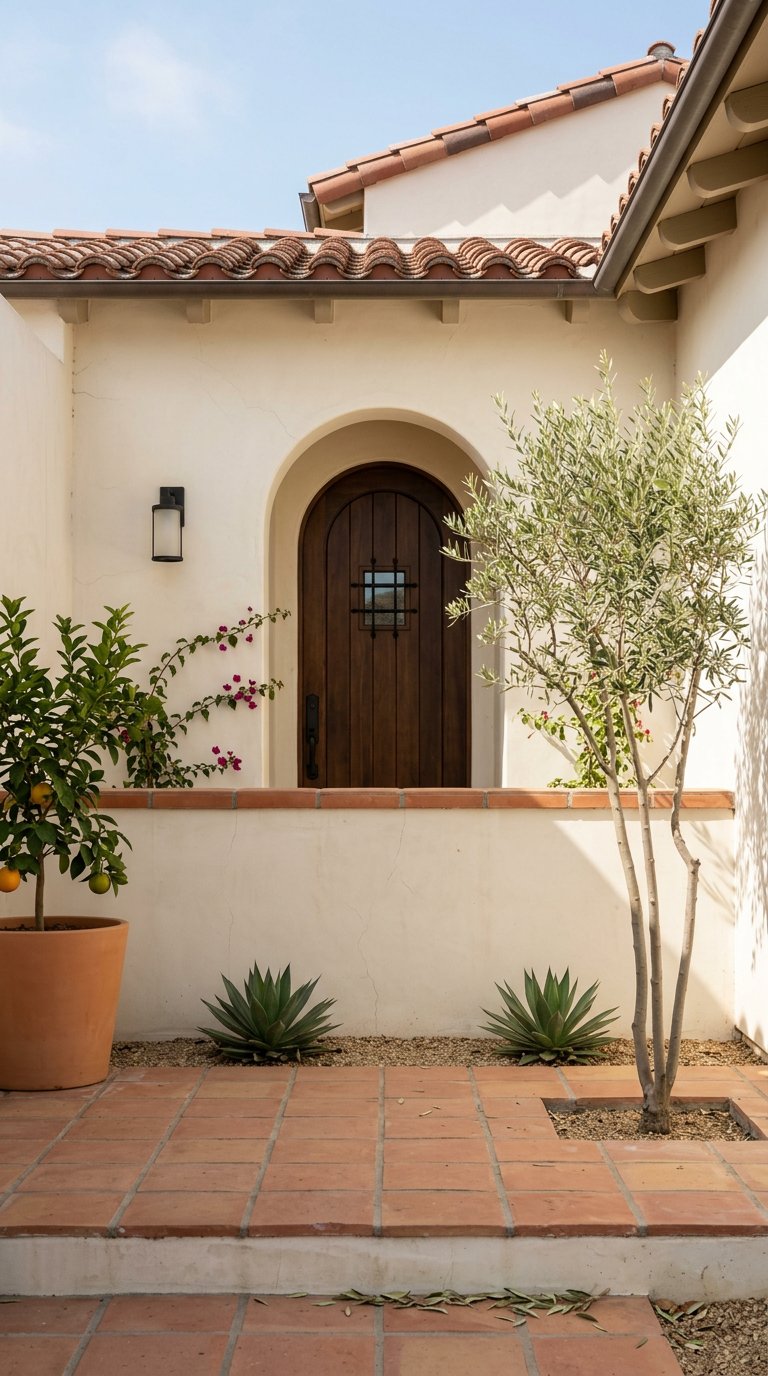
Spanish‑influenced homes swept Southern California in the 1910s through the 1930s. In Eagle Rock, they range from modest stucco cottages to larger courtyard homes.
What to look for:
- Smooth stucco walls and red clay tile roofs.
- Arched doorways and windows, and simple or decorative ironwork.
- Courtyards, loggias, or scalloped parapets on some homes.
Interiors may feel more compartmentalized than a modern open plan, with tile accents and a natural indoor‑outdoor rhythm when a courtyard is present. For a deeper dive into typical features and upkeep of Mission and Spanish Revival styles, see this overview of Spanish and Mission Revival architecture.
Maintenance notes:
- Tile roofs often need attention to broken tiles and underlayment over time.
- Stucco cracks and moisture entry at roof intersections or arched openings should be checked.
- Historic tile and ironwork are special and can be costly to replicate, so preservation is a plus.
Listing cues: “Spanish,” “tile roof,” “stucco,” “arched entry,” “courtyard.”
Midcentury modern and ranch
Post‑WWII building brought single‑level ranches and modernist forms to many LA hillsides, and Eagle Rock has its share. These homes favor a low profile and easy indoor‑outdoor flow.
What to look for:
- Long, horizontal rooflines and large picture or corner windows.
- Sliding glass doors to patios and simple stucco or wood cladding.
- Open plans and, in some cases, exposed post‑and‑beam construction.
Expect single‑level living and fewer ornate details, with some homes expanded over time. Original single‑glazed windows and older mechanicals may be present, but these homes are often straightforward candidates for energy and layout updates.
Listing cues: “mid‑century,” “ranch,” “open plan,” “indoor/outdoor,” “large windows.”
Streamline Moderne, Art Deco, and period revivals
You will spot small numbers of Deco and Moderne buildings around older commercial nodes like Colorado Boulevard, along with scattered multifamily examples. Look for smooth stucco, horizontal emphasis, curved corners, glass block, and decorative tile.
In multifamily buildings, pay close attention to common systems such as roofing, plumbing stacks, and exterior maintenance.
English/Tudor and storybook cottages
A handful of English Revival and storybook homes add variety to Eagle Rock streets. You might see steeply pitched roofs, small scaled massing, and touches of half‑timbering, brick, or stone. These are often “character” homes with layered improvements over the years, so system updates vary.
How to read listing photos fast
Use this quick spot‑it guide when browsing:
- Craftsman: Sloped front gable, wide eaves with visible rafter tails, big porch with chunky columns. Inside, look for built‑ins and a central fireplace.
- Spanish/Mission: Red barrel tile roof, smooth stucco, arched entry, and maybe a small courtyard or decorative wrought iron.
- Midcentury/Ranch: Low rooflines, big panes of glass, sliders to a patio, and simple lines with minimal ornament.
- Deco/Moderne: Curved corners, horizontal grooves or banding, glass block, and smooth finishes.
- Tudor/Storybook: Steep roofs, compact and picturesque massing, and occasional brick or half‑timber details.
Inspection and maintenance checklist for character homes
Older homes reward you with charm and craftsmanship, but they need informed care. Use this checklist during your due diligence, and ask your inspector to focus on these points:
- Structure and foundation: Check for settlement, uneven floors, or unbraced cripple walls. In Los Angeles, practical seismic upgrades like bolting and bracing are common for older houses.
- Roof and rain control: For clay or tile roofs, inspect for broken tiles and underlayment condition. Check flashings where roof planes meet chimneys or parapets, and confirm gutters and downspouts are clear.
- Exterior cladding: Stucco can develop hairline cracks, while wood siding may show peeling paint, rot, or termite damage. Porch piers in stone or brick can settle or need mortar repair.
- Termites and moisture: A termite report is essential for wood‑framed homes. Look for staining, patched areas, or soft wood at eaves or porches.
- Electrical and plumbing: Outdated panels, knob‑and‑tube wiring, and galvanized supply lines are common in early homes. Budget for upgrades if needed.
- Lead‑based paint: For homes built before 1978, federal law requires specific lead disclosures and an EPA pamphlet for buyers and tenants. Review the EPA guidance on lead disclosure requirements and plan lead‑safe work if you intend to disturb old paint.
- Windows and energy: Original single‑pane wood windows are valued for character. Consider weatherization, repair, or appropriate replacements if efficiency is a priority.
- Historic finishes: Built‑ins, original tile, and stained glass are central to a home’s appeal. Document features before work starts and use contractors familiar with historic materials.
Permits, preservation, and HPOZs
Eagle Rock includes designated local landmarks, such as the former Carnegie library noted above. In parts of Northeast Los Angeles, some neighborhoods are covered by Historic Preservation Overlay Zones that review certain exterior changes visible from the street. For background on how HPOZs work in LA, see this LA Times explainer on preservation review and this overview of HPOZs in Northeast LA.
Coverage can change over time. Always confirm whether a specific property is in an HPOZ and what that means for exterior work or additions by checking current City of Los Angeles resources.
Buyer and seller tips by style
- Craftsman: Highlight or preserve built‑ins, wood trim, and porch details. If you plan updates, prioritize wiring, plumbing, and window weatherization. For sellers, gentle staging that showcases woodwork and a central hearth reads well in photos.
- Spanish/Mission: Keep tile roofs and stucco in good repair. If a home has a courtyard or loggia, stage it as an outdoor living zone to reinforce the indoor‑outdoor flow.
- Midcentury/Ranch: Lean into open plans and big glass. Energy upgrades are often straightforward, and simple landscaping can frame long, low facades.
- Deco/Moderne and Tudor/Storybook: Play up distinctive shapes and materials. Repair rather than replace period elements where feasible.
If you want help coordinating vendors, light improvement projects, or staging that fits your home’s architecture, Smyth Properties can manage the details so you can focus on your move.
Ready to tour homes that match your style, or position your listing to shine? Connect with Drew Smyth to plan your next step.
FAQs
What are the most common home styles in Eagle Rock?
- You will most often see Craftsman bungalows, Spanish and Mission Revival homes from the 1910s to 1930s, and postwar midcentury ranches, with smaller numbers of Deco/Moderne and Tudor.
How can I spot a Craftsman in listing photos?
- Look for a front‑facing gable, deep porch with tapered columns, wide eaves with exposed rafter tails, and interior photos showing built‑ins and a prominent fireplace.
Are there HPOZ rules that affect Eagle Rock homes?
- Some Northeast LA areas use HPOZs, which review exterior changes visible from the street; always check current City resources to confirm if a property sits in an HPOZ and what rules apply.
What maintenance issues are common with Spanish tile roofs?
- Tile roofs can hide underlayment wear and broken or slipped tiles; inspect for moisture entry at roof intersections, around chimneys, and near arched openings.
Are midcentury homes easier to update for energy efficiency?
- Often yes, due to simpler systems and construction; many benefit from window upgrades, added insulation, and modern HVAC while keeping the open plan and large glass.
What should sellers of older homes disclose in Los Angeles?
- Disclose known material facts and, for pre‑1978 homes, comply with federal lead‑based paint disclosure requirements, including providing the EPA pamphlet to buyers or tenants.
